
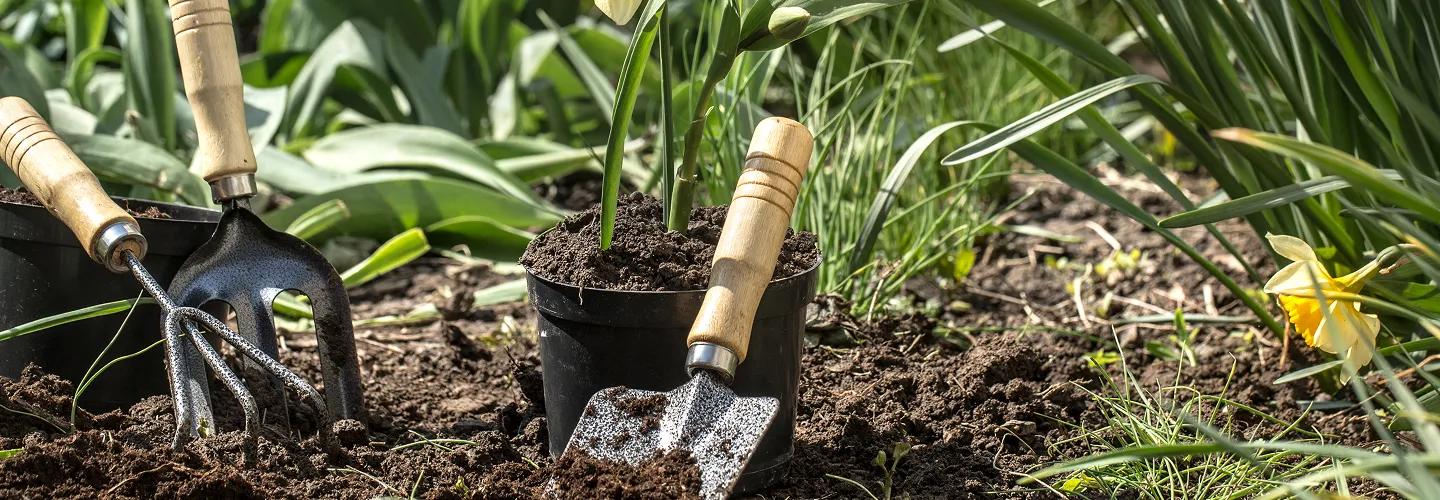
Carefree Flower Bed Maintenance Services
Enjoy a beautiful, thriving flower bed all season long—our expert team handles the hard work so you can relax and admire your garden’s effortless beauty.
Get a Free QuoteOur Carefree Landscaping & Yard Care Services
When to Schedule Flower Bed Maintenance in Carefree, Arizona – Seasonal Guide
In Carefree, Arizona, the timing of flower bed maintenance is crucial for ensuring vibrant, healthy landscapes throughout the year. The region’s unique Sonoran Desert climate—with its mild winters, hot summers, and monsoon season—means that optimal maintenance windows differ from those in other parts of the country. For neighborhoods near Black Mountain and along Cave Creek Road, early spring (late February to April) is ideal for cleaning beds, refreshing mulch, and planting hardy annuals before the heat intensifies. Fall (late September to November) is another key period, allowing for pruning and soil amendment as temperatures moderate and plants prepare for dormancy.
Local environmental factors play a significant role in determining the best maintenance schedule. Carefree’s variable shade coverage, especially in communities like The Boulders, affects soil moisture retention and plant selection. The area’s sandy, well-draining soils require regular organic matter replenishment, while the risk of late spring frosts—though rare—can impact planting times. Drought conditions and municipal water restrictions also influence when and how often beds should be tended. For more information on local regulations and best practices, visit the Town of Sudbury’s resource page.
Local Factors to Consider for Flower Bed Maintenance in Carefree
- Tree density and shade patterns, especially near mature mesquite and palo verde groves
- Soil type and drainage, with sandy soils common in areas like Sentinel Rock
- Seasonal precipitation, including monsoon storms and dry spells
- Frost dates, typically late November to early February
- Municipal water use restrictions and drought advisories
- Terrain and slope, which can affect runoff and erosion
- HOA or town guidelines for landscape maintenance
Benefits of Flower Bed Maintenance in Carefree
Enhanced Curb Appeal
Weed and Pest Prevention
Healthier Plant Growth
Seasonal Color Variety
Professional Expertise
Time and Effort Savings
Carefree Flower Bed Maintenance Types

Mulching Services
Mulching helps retain moisture and suppress weeds for low-maintenance flower beds.
-
Perennial Planting
Perennials return year after year, reducing the need for frequent replanting.
-
Drip Irrigation Installation
Automated drip systems deliver water efficiently, minimizing manual watering.
-
Weed Barrier Installation
Weed barriers prevent unwanted growth, keeping flower beds tidy with less effort.
-
Low-Maintenance Plant Selection
Choosing hardy, drought-tolerant plants ensures beautiful beds with minimal care.
-
Seasonal Clean-Up
Regular seasonal clean-up keeps flower beds healthy and attractive year-round.
Our Flower Bed Maintenance Process
Site Evaluation
Weed Removal
Soil Preparation
Plant Care
Mulching
Why Choose Carefree Landscape Services
-
Carefree Homeowners Trust Us
-
Expert Lawn Maintenance
-
Reliable Scheduling
-
Competitive Pricing
-
Professional Team
-
Satisfaction Guarantee
-
Personalized Service
Coordinating Flower Bed Maintenance with Carefree's Municipal Departments and Programs
Flower bed maintenance in Carefree involves more than seasonal planting and cleanup. Property owners and managers should coordinate with municipal departments when maintenance activities generate green waste, affect right-of-way landscaping, or involve work near drainage corridors. The Town of Carefree does not operate a municipal curbside green waste collection program, so residents must arrange private hauling or transport organic debris to an authorized disposal facility. When flower bed work occurs along public-facing frontages or within common areas governed by community standards, property owners should verify current expectations through the appropriate town office.
- Confirm green waste disposal routing before large-scale bed cleanouts or seasonal replanting projects
- Coordinate with Public Works regarding any maintenance that affects right-of-way landscaping or drainage infrastructure
- Verify property maintenance standards through Code Enforcement if bed conditions have drawn a complaint or notice
Carefree Public Works
Official Website: Carefree Public Works
Carefree Code Enforcement
Official Website: Carefree Code Enforcement
How Carefree's Desert Soils and Elevation Shape Flower Bed Health
Carefree sits at approximately 2,560 feet in the upper Sonoran Desert foothills northeast of Phoenix, placing it within USDA Hardiness Zone 9b. This transitional desert environment produces conditions that directly affect flower bed performance. Soils across much of Carefree consist of rocky, alkaline desert profiles with decomposed granite, shallow caliche layers, and limited organic content. These soils drain rapidly but resist root penetration and nutrient retention without amendment. Summer temperatures regularly exceed 105°F, and reflected heat from boulder outcroppings, decorative rock, and stucco walls intensifies thermal stress on bedding plants. Monsoon storms between July and September deliver intense, short-duration rainfall that can wash out mulch, displace emitters, and erode exposed bed surfaces. Winter overnight lows occasionally dip below freezing, creating frost risk for tender annuals in low-lying areas and north-facing exposures.
- Alkaline soil pH commonly exceeds 7.5, which can limit iron and phosphorus availability to flowering plants
- Caliche hardpan may require mechanical breaking or raised bed construction for adequate root depth
- Monsoon runoff can carry displaced mulch and sediment into washes and storm drainage channels
- Frost pockets form in shaded canyon-side lots and along natural wash corridors during December through February
Navigating Carefree's Regulatory Requirements for Flower Bed Maintenance Activities
Routine flower bed maintenance—including deadheading, weeding, mulch replenishment, and seasonal replanting—does not typically require a permit in Carefree. However, property owners should be aware of several regulatory layers that may apply depending on the scope and location of the work. The Town's code enforcement division addresses property maintenance standards, including visible weed growth, neglected landscaping, and debris accumulation in beds. If flower bed maintenance involves the application of herbicides or pesticides, applicators must hold valid credentials through the Arizona Department of Agriculture Office of Pest Management, as required under Arizona Revised Statutes Title 3.
- Chemical weed control in flower beds must comply with state pesticide licensing requirements; unlicensed commercial application is prohibited
- Runoff containing fertilizers, herbicides, or displaced soil must not enter washes, retention basins, or storm drainage infrastructure, consistent with Arizona DEQ stormwater guidance
- Properties adjacent to natural washes or desert open space may be subject to additional landscape disturbance restrictions; verify current requirements with the town's engineering office
- Noxious weed species identified by the Arizona Department of Agriculture should be removed promptly during bed maintenance
Carefree Engineering
Official Website: Carefree Engineering
Timing Flower Bed Maintenance Around Carefree's Heat and Monsoon Cycles
Professional flower bed maintenance in Carefree follows a seasonal rhythm dictated by extreme heat, monsoon moisture, and brief frost windows. Deadheading and weed suppression should occur on a regular cycle from early spring through late fall, with increased frequency after monsoon rains trigger rapid weed germination. Mulch inspection and replenishment are most critical in late June before monsoon storms arrive, as intact mulch layers reduce washout, moderate soil temperature, and conserve irrigation moisture. The Arizona Department of Water Resources emphasizes efficient irrigation practices for desert landscapes, and flower beds in Carefree should rely on drip emitters rather than overhead spray to minimize evaporation and runoff.
- Spring (March–May): Replace frost-damaged annuals, refresh mulch to a depth commonly recommended at two to three inches, inspect and adjust drip emitters, and apply pre-emergent weed control before temperatures climb
- Summer (June–September): Shift maintenance to early morning hours to reduce heat stress on workers and plants, monitor emitter function after monsoon storms, remove storm-displaced debris from beds, and check for mulch washout along slopes
- Fall (October–November): Transition warm-season annuals to cool-season varieties suited to Zone 9b, reduce irrigation frequency as temperatures moderate, and clear accumulated organic debris before winter dormancy
- Winter (December–February): Protect frost-sensitive plantings with temporary covers during freeze advisories tracked through the National Weather Service Phoenix office, reduce irrigation to match lower evapotranspiration rates, and remove dead plant material to prevent pest harborage
What Neighborhoods Do We Serve Throughout Carefree, AZ?
- Black Mountain Foothills — Properties here feature sloped desert lots with boulder outcroppings and significant reflected heat, requiring careful emitter placement and heat-tolerant flower selections in maintained beds.
- Carefree Hills — Established residential lots with mature desert landscaping often include irrigated flower beds near entryways that benefit from regular mulch replenishment and seasonal color rotation.
- Enchanted Hills — Larger parcels with natural desert transitions create unique flower bed challenges, including wash-adjacent drainage concerns and wildlife browsing pressure on ornamental plantings.
- The Boulders — Resort-adjacent properties maintain high-visibility flower beds where consistent deadheading, weed suppression, and irrigation monitoring are essential to meeting community appearance standards.
- Carefree Town Center — Commercial and mixed-use properties near the sundial and downtown corridor require frequent bed maintenance to address foot traffic exposure, reflected heat from pavement, and seasonal planting rotations.
- Lone Mountain Estates — Rural-character lots with expansive frontages often incorporate flower beds along driveways and courtyards where caliche-affected soils demand amended planting zones and attentive irrigation management.