
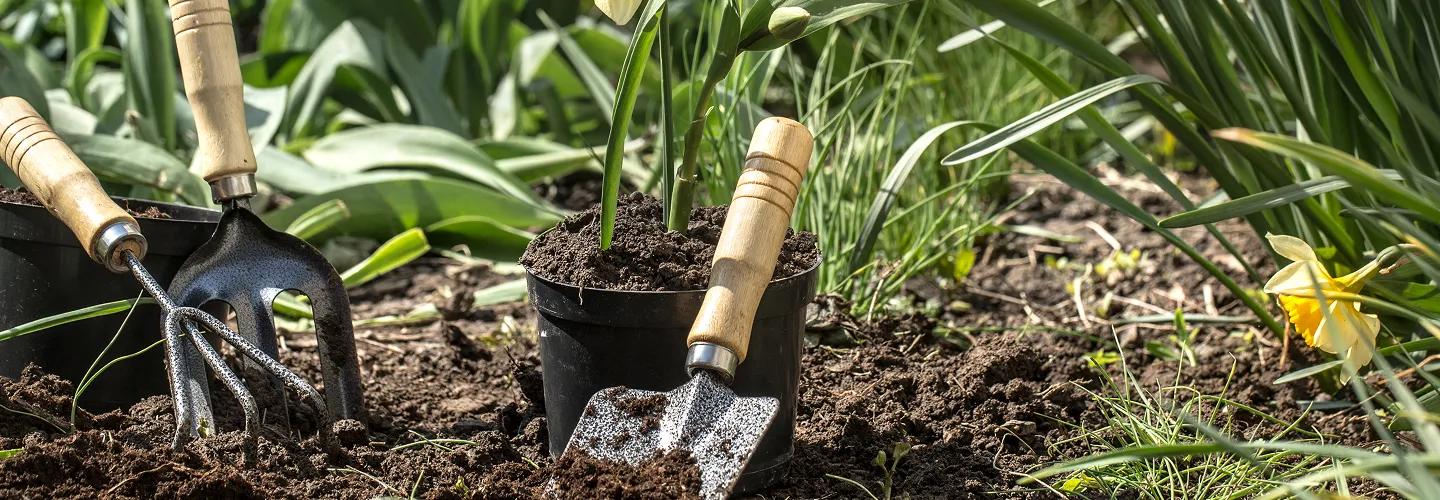
Carefree Lawn Edging Services
Choose our Lawn Edging services for crisp, clean lines that elevate your curb appeal and make yard maintenance a breeze—enjoy a polished look that lasts all season long.
Get a Free QuoteOur Carefree Landscaping & Yard Care Services
When to Schedule Lawn Edging in Carefree, Arizona – Seasonal Guide
In Carefree, Arizona, the best times to schedule lawn edging are closely tied to our unique Sonoran Desert climate and the specific needs of local landscapes. With mild winters and hot, dry summers, most homeowners in neighborhoods like Boulders and along Cave Creek Road find that early spring and late fall are optimal for edging. These periods avoid the intense summer heat and allow for clean, crisp lawn lines before and after the main growing season.
Local environmental factors play a significant role in determining the right timing. For example, the risk of frost typically ends by late February, making March an ideal starting point for lawn maintenance. Drought conditions and low humidity can stress turf, so it’s important to edge when grass is actively growing but not under heat stress. Areas with heavy shade from mature mesquite or palo verde trees, or properties with rocky, alkaline soils, may require adjustments to the edging schedule. For more information on local regulations and best practices, visit the Town of Sudbury’s resource page.
Local Factors to Consider for Lawn Edging in Carefree
- Tree density and shade coverage, especially in neighborhoods like Sentinel Rock
- Soil type (rocky, sandy, or alkaline soils common in the area)
- Seasonal precipitation patterns and drought risk
- Proximity to natural washes or protected desert areas
- Municipal restrictions or HOA guidelines on landscaping
- Terrain and slope, which can affect water runoff and edging precision
Benefits of Lawn Edging in Carefree
Enhanced Curb Appeal
Weed Growth Prevention
Defined Landscape Borders
Reduced Lawn Maintenance
Improved Drainage Control
Long-Lasting Results
Carefree Lawn Edging Types

Plastic Lawn Edging
Plastic edging offers flexibility and easy installation for defining garden borders.
-
Metal Lawn Edging
Metal edging provides a sleek, durable solution for crisp, long-lasting lawn boundaries.
-
Stone Lawn Edging
Stone edging adds a natural, timeless look while effectively separating lawn and garden areas.
-
Brick Lawn Edging
Brick edging delivers classic charm and sturdy separation for landscaping projects.
-
Rubber Lawn Edging
Rubber edging is eco-friendly, flexible, and safe for creating smooth garden borders.
-
Concrete Lawn Edging
Concrete edging ensures a permanent, low-maintenance border for any landscape design.
-
Wood Lawn Edging
Wood edging brings a rustic appeal and blends seamlessly with natural garden elements.
Our Lawn Edging Process
Site Evaluation
Marking Edges
Cutting the Edge
Debris Removal
Final Inspection
Why Choose Carefree Landscape Services
-
Carefree Homeowners Trust Us
-
Expert Lawn Maintenance
-
Reliable Scheduling
-
Competitive Pricing
-
Professional Team
-
Satisfaction Guarantee
-
Personalized Service
Coordinating Lawn Edging Services with Carefree's Public Works and Engineering Departments
Lawn edging in Carefree requires awareness of the town's right-of-way boundaries, drainage infrastructure, and property maintenance expectations. Because Carefree's roadways often transition directly into natural desert terrain or decomposed granite shoulders, edging work along curbs, sidewalks, and driveways must avoid displacing soil or clippings into the town's drainage system. Residents and property managers should confirm the location of right-of-way limits before edging near public roadways or shared access easements, as the Town of Carefree manages these corridors through its public works operations.
- Verify right-of-way boundaries before edging along streets or shared access points
- Keep all turf clippings, soil debris, and edging waste out of curb inlets and drainage channels
- Coordinate with the town if edging work affects public sidewalks, curb lines, or roadside shoulders
- Dispose of green waste generated by edging according to current municipal collection or hauling requirements
Carefree Public Works
Official Website: Carefree Public Works
For properties adjacent to washes or engineered drainage corridors, edging debris must not be allowed to migrate into these channels. The Carefree Engineering department can provide guidance on drainage easement locations and any restrictions that apply to landscape maintenance near engineered infrastructure.
How Carefree's Desert Soils and Heat Affect Lawn Edging Results
Carefree sits in the upper Sonoran Desert at roughly 2,500 feet elevation within USDA Hardiness Zone 9b, placing it in the Phoenix metro low-desert context with slightly cooler winter nights than the valley floor. The town's soils are predominantly rocky desert types with alkaline sandy loam, decomposed granite, and frequent caliche layers at shallow depth. These conditions directly influence lawn edging quality and equipment performance.
- Caliche encounters: Mechanical edgers may strike caliche hardpan just inches below the surface along turf borders, causing blade damage and uneven edge lines; operators should assess subsurface conditions before selecting blade depth
- Alkaline soil crumbling: Alkaline sandy loam tends to fracture rather than cut cleanly, making it difficult to maintain a crisp edge without repeated passes
- Reflected heat from hardscape: Concrete driveways, block walls, and decorative stone radiate heat that accelerates turf desiccation along edges, requiring irrigation adjustments to prevent browning at the turf-hardscape boundary
- Irrigation overspray: Bermudagrass lawns in Carefree depend heavily on irrigation, and overspray onto sidewalks and curbs creates mineral deposits and algae that complicate clean edging; the Arizona Department of Water Resources encourages efficient irrigation design to minimize waste
Monsoon storms from July through September can deposit sediment along turf borders, burying edge lines and requiring re-establishment after significant rain events.
Navigating Carefree's Code Enforcement and Stormwater Rules for Lawn Edging
Although lawn edging does not typically require a permit, the Town of Carefree enforces property maintenance standards that include the condition of landscape borders and turf areas visible from public rights-of-way. Overgrown or neglected turf edges that encroach onto sidewalks, curbs, or neighboring properties may trigger code enforcement action.
- Turf that extends beyond property lines or overtakes sidewalk joints may be cited under municipal nuisance or property maintenance codes
- Edging debris, including soil and clippings, must not be swept or blown into storm drains, washes, or retention basins; the Arizona DEQ stormwater program regulates pollutant discharge into municipal drainage systems under the Clean Water Act
- Contractors performing edging services should hold appropriate business licensing as required by the town
Carefree Code Enforcement
Official Website: Carefree Code Enforcement
Residents should verify current property maintenance standards with the code enforcement office, particularly for parcels within HOA-governed subdivisions where additional landscape appearance requirements may apply.
Timing Lawn Edging Around Carefree's Monsoon Season and Summer Growth Cycles
Professional lawn edging in Carefree should follow the active growth cycle of the dominant turf species. Bermudagrass, the most common warm-season turf in the area, grows aggressively from late April through September, requiring edging every two to four weeks during peak season. Properties overseeded with perennial ryegrass for winter color need edging attention from October through March as well. The University of Arizona Cooperative Extension provides regionally calibrated turf management guidance for low-elevation Arizona.
- Pre-monsoon (May–June): Establish clean edge lines before summer storms arrive; this prevents sediment from obscuring borders during heavy runoff events
- Monsoon season (July–September): Schedule edging after storm events to clear deposited debris and re-define turf boundaries; avoid edging on saturated soil to prevent smearing and compaction
- Fall transition (October–November): Edge before or immediately after overseeding to define the boundary between winter rye and adjacent hardscape or desert landscape
- Winter (December–February): Reduced growth slows edging frequency, but edges along driveways and walkways should remain clear for pedestrian safety
Edging equipment should be cleaned between properties to prevent the spread of weed seeds, particularly buffelgrass and other invasive species identified by the Arizona Department of Agriculture.
What Neighborhoods Do We Serve Throughout Carefree, AZ?
- Carefree Foothills: Large desert lots with turf areas often bordered by natural desert and decomposed granite, requiring careful edging to maintain clean transitions between irrigated lawn and native landscape
- The Boulders: Properties near the resort and preserve areas feature mature landscaping on sloped terrain, where edging must account for grade changes and wash-adjacent drainage patterns
- Lone Mountain Estates: Spacious parcels with significant hardscape borders along driveways and patios create reflected heat zones that demand precise edging to prevent turf recession at pavement edges
- Carefree Ranch: Established residential lots with older irrigation systems where overspray along turf borders frequently causes mineral buildup on adjacent walkways and curbs
- Black Mountain Foothills: Properties at higher elevations within the Carefree area experience slightly cooler conditions and rockier soils, requiring adjusted blade depth and more frequent caliche assessment during edging
- Stagecoach Pass Area: Homes along this corridor often feature narrow turf strips adjacent to natural desert washes, making debris containment during edging essential for drainage protection