
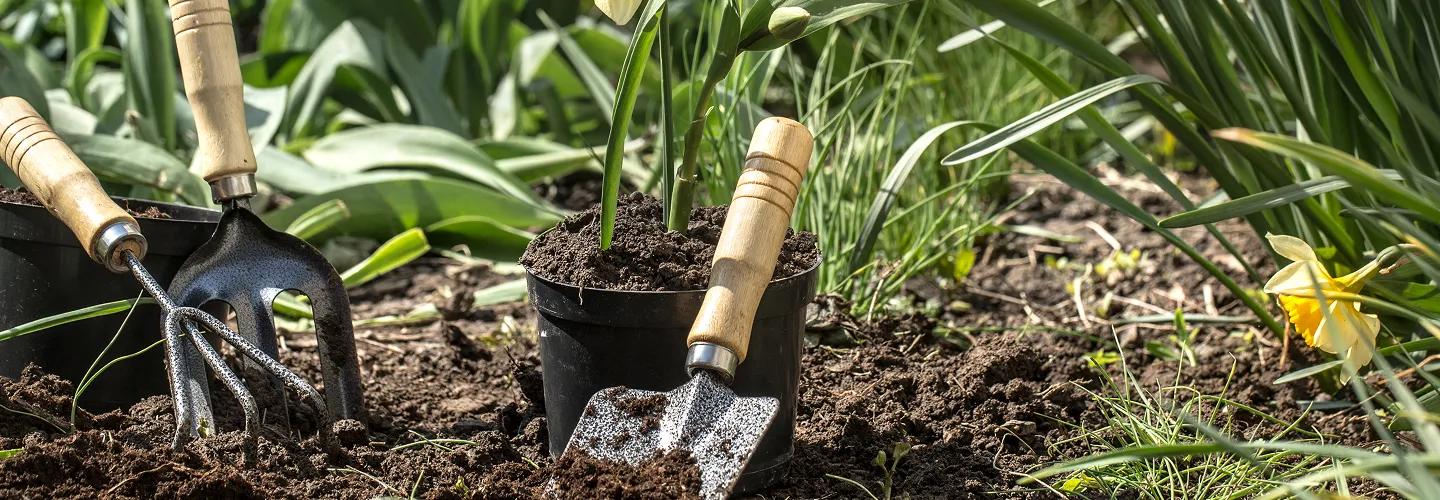
Carefree Flower Planting Services
Choose our Flower Planting services for expert design, premium blooms, and hassle-free maintenance—so you can enjoy a vibrant, colorful garden without lifting a finger.
Get a Free QuoteOur Carefree Landscaping & Yard Care Services
When to Schedule Flower Planting in Carefree, Arizona – Seasonal Guide
Flower planting in Carefree, Arizona, requires careful timing to ensure vibrant, long-lasting blooms. The region’s unique Sonoran Desert climate, characterized by mild winters and hot, dry summers, means that the best planting windows are typically in early spring (late February to early April) and again in the fall (late September to early November). Planting during these periods allows flowers to establish roots before the intense summer heat or occasional winter frosts.
Local neighborhoods such as The Boulders and areas near Black Mountain experience microclimates influenced by elevation, shade from mature saguaros, and proximity to natural washes. Factors like soil composition—often sandy or rocky—and limited rainfall make it essential to select drought-tolerant varieties and amend soil as needed. Homeowners should also be aware of municipal guidelines and water restrictions, which can impact planting schedules. For more information on local regulations, visit the Town of Carefree’s official site.
Local Factors to Consider for Flower Planting in Carefree
- Tree density and available shade, especially in neighborhoods with mature landscaping
- Terrain and elevation changes, which affect drainage and frost risk
- Seasonal precipitation patterns and drought risk
- Soil type (sandy, rocky, or amended)
- Municipal water use restrictions and planting guidelines
- Proximity to natural features like washes or boulder outcroppings
Benefits of Flower Planting in Carefree
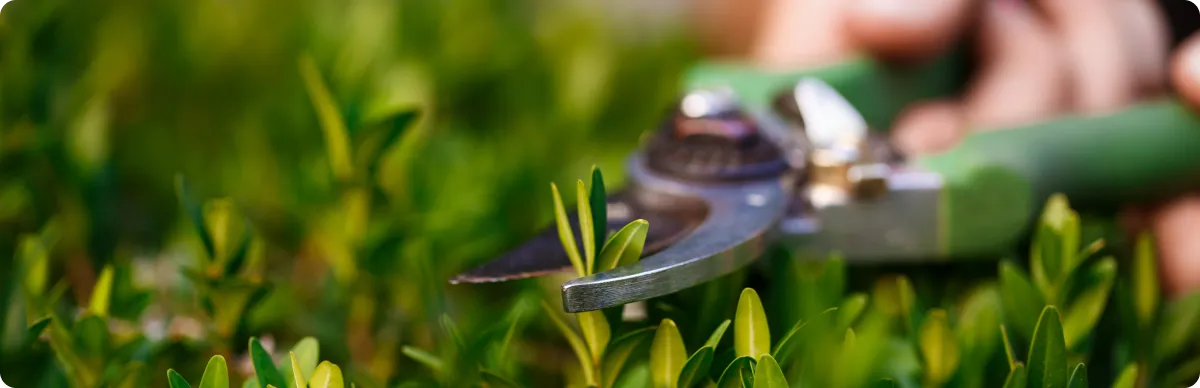
Expert Landscaping Design
Seasonal Color Variety
Low-Maintenance Plant Options
Enhanced Curb Appeal
Eco-Friendly Planting Solutions
Customized Garden Plans
Carefree Flower Planting Types

Perennial Flower Beds
-
Wildflower Meadows
-
Drought-Tolerant Gardens
-
Native Plant Landscapes
-
Low-Maintenance Ground Covers
-
Pollinator-Friendly Plantings
-
Shade Garden Flowers
Our Flower Planting Process
Site Evaluation
Soil Preparation
Plant Selection
Careful Planting
Watering and Mulching
Why Choose Carefree Landscape Services
-
Carefree Homeowners Trust Us
-
Expert Lawn Maintenance
-
Reliable Scheduling
-
Competitive Pricing
-
Professional Team
-
Satisfaction Guarantee
-
Personalized Service
Coordinating Flower Planting Projects with Carefree's Municipal Departments
Flower planting in Carefree requires awareness of the town's municipal processes, particularly when work occurs near rights-of-way, drainage corridors, or public-facing frontages. The Town of Carefree Public Works Department oversees right-of-way maintenance and landscaping standards for public infrastructure areas, and residents planning flower installations adjacent to streets or drainage easements should verify setback and access requirements before beginning work. Property owners in planned developments or areas governed by community covenants should also confirm that proposed plantings align with any applicable property maintenance standards enforced through the town's code enforcement process.
- Confirm whether flower planting near public rights-of-way requires coordination with Public Works
- Verify that proposed species and planting locations comply with community appearance standards
- Contact Code Enforcement if there are questions about property maintenance or zoning-related landscape requirements
Carefree Public Works
Official Website: Carefree Public Works
Carefree Code Enforcement
Official Website: Carefree Code Enforcement
How Carefree's Desert Terrain and Alkaline Soils Affect Flower Planting
Carefree sits in the upper Sonoran Desert at roughly 2,560 feet elevation within the Phoenix metro fringe, placing it in USDA Hardiness Zone 9b. This transitional position means the town experiences intense summer heat regularly exceeding 105°F, yet winter overnight lows can dip below freezing in exposed washes and north-facing slopes. Native soils throughout Carefree are predominantly decomposed granite and rocky desert profiles, often underlain by caliche hardpan that restricts root penetration and drainage. Soil pH tends to be highly alkaline, commonly ranging from 7.5 to 8.5, which limits iron and phosphorus availability to flowering plants. Monsoon storms from July through September deliver sudden, heavy rainfall that can wash out newly planted beds, erode amended soil, and deposit sediment into natural washes and arroyos that thread through the community.
- Caliche layers may require mechanical breaking or raised-bed construction to establish adequate root zones
- Alkaline soils benefit from sulfur amendments and chelated iron applications to support flower health
- Reflected heat from boulder walls, decomposed granite mulch, and south-facing exposures intensifies plant stress
- Monsoon runoff can displace unanchored plantings and carry soil amendments into drainage corridors
Navigating Carefree's Regulatory Framework for Flower Planting Compliance
Flower planting in Carefree must account for several layers of regulatory oversight. The town's zoning and development standards may apply when planting modifies the visible landscape of a property, particularly in areas subject to design review or hillside development restrictions. Residents should consult the Carefree Planning & Zoning Commission if planting projects involve grading, retaining structures, or significant site alteration on hillside lots. Any use of chemical soil amendments, pre-emergent herbicides, or pesticides in flower beds requires compliance with Arizona Department of Agriculture licensing requirements for commercial applicators. Stormwater protection is also relevant; the Arizona DEQ stormwater program and the federal Clean Water Act establish expectations for preventing sediment, fertilizer, and chemical runoff from entering washes and storm drainage systems.
- Verify whether hillside lot planting triggers site disturbance review through the Building Department
- Ensure commercial pesticide or herbicide application is performed by properly licensed applicators
- Prevent amended soil, mulch, and irrigation runoff from entering natural washes or retention basins
- Coordinate with the Carefree Water Company regarding any irrigation system modifications or new connections
Carefree Building Department
Official Website: Carefree Building Department
Carefree Water Company
Official Website: Carefree Water Company
Timing Flower Planting Around Carefree's Heat Cycles and Monsoon Season
Professional flower planting in Carefree follows two primary installation windows dictated by the region's extreme climate. The fall window, typically from mid-October through November, allows cool-season annuals such as petunias, snapdragons, pansies, and stock to establish root systems before winter lows arrive. The spring window, from late February through mid-April, suits warm-season and desert-adapted species including vinca, lantana, desert marigold, and angelita daisy before summer heat intensifies. The Arizona Department of Water Resources landscaping guidance emphasizes selecting low-water-use and regionally adapted species to reduce irrigation demand.
- Prepare planting beds by amending native soil with compost and adjusting pH where needed before installation
- Install drip irrigation emitters at each planting station to deliver water directly to root zones and minimize evaporation
- Apply a two- to three-inch layer of organic or rock mulch to moderate soil temperature and reduce moisture loss
- Avoid planting during peak monsoon months when heavy rainfall can erode beds and drown shallow-rooted annuals
- Schedule irrigation cycles for early morning to reduce evaporative loss and fungal pressure on flower foliage
What Neighborhoods Do We Serve Throughout Carefree, AZ?
- Carefree Foothills — Hillside lots with significant slope and boulder outcroppings require careful bed placement to manage drainage and prevent erosion during monsoon events.
- The Boulders — Large estate properties adjacent to natural desert preserve demand desert-adapted flower selections that complement the surrounding Sonoran landscape and comply with community design standards.
- Carefree Ranch — Spacious residential lots with mature desert landscaping offer opportunities for accent flower beds near entryways, though caliche and rocky soils often require raised planting areas.
- Stagecoach Pass — Properties in this area frequently feature decomposed granite yards where flower planting benefits from amended soil pockets and targeted drip irrigation zones.
- Lone Mountain Estates — Elevated lots near Lone Mountain experience greater wind exposure and cooler overnight temperatures, making frost-tolerant species selection important for winter plantings.
- Black Mountain Vistas — Homes with south- and west-facing exposures encounter intense reflected heat, requiring heat-tolerant flower varieties and afternoon shade strategies for bed longevity.